Dr. Tyler LeBaron vs. Greg “The Hydrogen Man” Two Very Different Voices in Molecular Hydrogen
Molecular hydrogen therapy has grown from a niche research topic into a popular wellness trend, largely driven by online communities, podcasts, and YouTube personalities. Two visible figures in this space are Dr. Tyler W. LeBaron and Greg, known online as “The Hydrogen Man” (Uprising144K).
Jim Mitchell founder molecularhydrogenbubbles.com
6/3/20264 min read
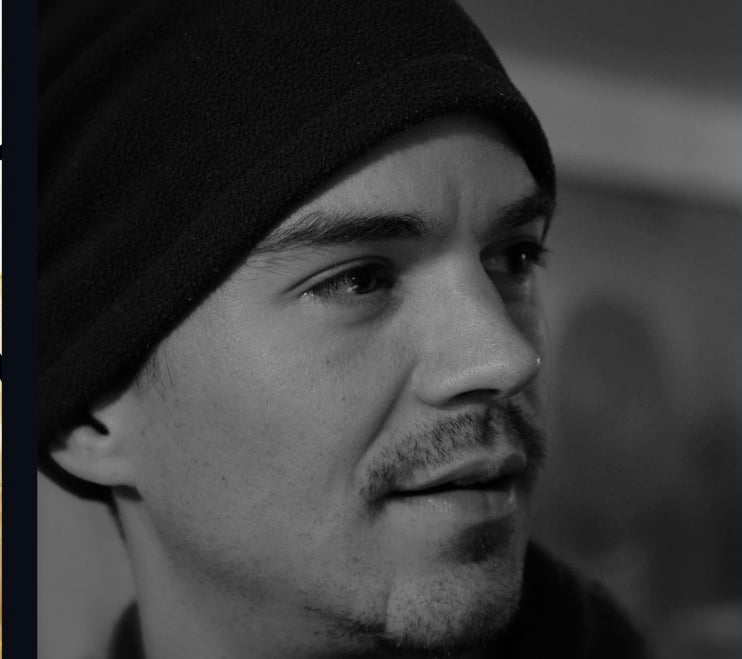
Dr. Tyler LeBaron vs. Greg “The Hydrogen Man” Two Very Different Voices in Molecular Hydrogen.
Molecular hydrogen therapy has grown from a niche research topic into a popular wellness trend, largely driven by online communities, podcasts, and YouTube personalities. Two of the visible figures in this space are Dr. Tyler LeBaron and Greg, known online as “The Hydrogen Man” (Uprising144K).
While both advocate for molecular hydrogen, their approach, credibility style, and relationship to evidence differ significantly.
Who is Dr. Tyler LeBaron?
Tyler LeBaron is a trained scientist and educator with a strong academic background in biochemistry, physiology, and exercise science. He holds advanced degrees and has published extensively in peer reviewed journals. He is the founder of the Molecular Hydrogen Institute (MHI), a nonprofit focused on advancing scientific understanding of hydrogen research. Here are some key points about Dr. LeBaron, PhD level training in physiology and related sciences, over 80 peer reviewed publications in hydrogen related research, adjunct professor and lecturer in exercise physiology, focuses heavily on mechanisms, limitations and evidence quality. His public stance is avoid hype, stay aligned with published data. LeBaron is often featured in academic and clinical discussions of hydrogen science.
Here are more video examples (LeBaron interview/educational content).
Molecular hydrogen overview interview https://www.youtube.com/watch?v=XVQ5kffnc7o MHI-related lectures and interviews Research-based discussion references https://molecularhydrogeninstitute.org MHI hosts lectures, interviews, and conference presentations explaining hydrogen research.
Who is Greg “The Hydrogen Man”?
Greg the Hydrogen Man is a YouTube based wellness personality who promotes molecular hydrogen primarily through personal experience and product testing. He is best known for a YouTube channel Uprising144K. A strong emphasis on personal healing stories and anecdotal results. Greg’s background is not rooted in formal biomedical research or academic publishing. Instead, his authority comes from advocacy for hydrogen water, inhalation devices, and home use systems. Long term self experimentation, device comparisons and user testimonials, wellness oriented interpretation of hydrogen science.
Here are more video examples.
Greg’s channel https://www.youtube.com/@UPRISING144K
Podcast interview discussing hydrogen journey
https://www.wellpower.life/blog/episode-62-molecular-hydrogen-the-miracle-molecule-changing-how-you-hydrate-with-greg-the-hydrogen-man
In interviews, Greg describes his health challenges and how hydrogen therapy became central to his personal wellness routine.
Some core difference are leBaron is science based vs. hydrogen man is experiential advocacy. Their approach to evidence differs, LeBaron prioritizes peer reviewed studies, emphasizes mechanisms and biochemical pathways, he frequently cautions against overstated claims, he works within academic and clinical frameworks.
Greg prioritizes lived experience and user outcomes, focuses on practical use of hydrogen devices, relies heavily on anecdotal improvement stories, often explores “what works in practice” over mechanisms.
One interesting detail about Greg is that he claims to have "20 years in the medical field" this claim is repeated in podcast descriptions, but those descriptions appear to be based on information supplied by Greg or his media materials rather than independent reporting. I still have not found any documentation identifying where and when he work in the medical field and or what he did in the medical field. With Dr. LeBaron, he has an immense amount of verifiable credentials.
How old are these two gentlemen?
Doctor Tyler LeBaron's exact date of birth is not publicly disclosed, making his precise age unavailable. However, based on his educational timeline graduating with his Bachelor's degree in 2015 and his Master's in 2018 he is likely in his mid to late 30s. Greg has disclosed his age in at least one interview in a December 2025 podcast, that I have watched where he stated "I'm almost 50 years old." Assuming that statement was accurate at the time of the interview, that would place his birth year around 1976 1977, making him approximately 49 years old today in June 2026. I've watched many interviews of both of these men, and both of them are what I would classify as young men under 40 years old. To me, Greg looks like he is in his late 20s to early 30s whereas Dr LeBaron plays the part he looks like a man that is in his mid 30s. Greg does not look like he's 49 years of age just saying.
Their roles in the molecular hydrogen community.
LeBaron is a research leader and educator he helps define scientific boundaries of hydrogen therapy, he also works with institutions and conferences and is the founder of the molecular hydrogen Institute.
Greg is public educator and influencer he publishes his material on a wide range of social media platforms. He is a popularizer of hydrogen therapy in consumer wellness spaces and focuses on accessibility and device usage
Communication Style
LeBaron is conservative, precise, and technical. He often includes caveats and limitations in his lectures, and avoids medical claims not supported by evidence.
Greg is highly accessible and motivational with a strong focus on recovery stories and personal transformation and more open to interpretive or experiential claims.
Where They Overlap
Despite their differences, both figures support molecular hydrogen as a promising research area. They both encourage exploration of hydrogen water and inhalation. They agree that oxidative stress and inflammation are key biological targets of interest and help drive public awareness of hydrogen therapy
A critical perspective why the difference matters.
The hydrogen wellness space is unusual because it sits between emerging biomedical research, and consumer self experimentation culture. LeBaron represents the academic boundary checking side, ensuring claims align with published evidence. Greg represents the consumer facing experimentation side, where real world use and personal results drive interest. This duality is common in emerging health technologies but it also means consumers must distinguish between what studies suggest, what individuals report, and what devices actually deliver.
Final Takeaway
Dr. Tyler LeBaron and Greg “The Hydrogen Man” are not competitors in the traditional sense they operate in different epistemological worlds. One is grounded in peer reviewed science and institutional research, Greg is grounded in personal experience and wellness advocacy.
For anyone exploring molecular hydrogen, understanding both perspectives helps avoid two extremes, over skepticism that dismisses early research, over enthusiasm that overstates benefits.The world of molecular hydrogen is evolving rapidly, and with that growth comes a flood of information, opinions, personal experiences, marketing claims, and scientific research. Whether you find yourself more aligned with Dr. Tyler LeBaron's evidence first approach or Greg "The Hydrogen Man's" real world experimentation and advocacy, the most important thing is to remain curious, informed, and willing to examine the evidence.
Written by
Jim Mitchell
Founder molecularhydrogenbubbles.com

